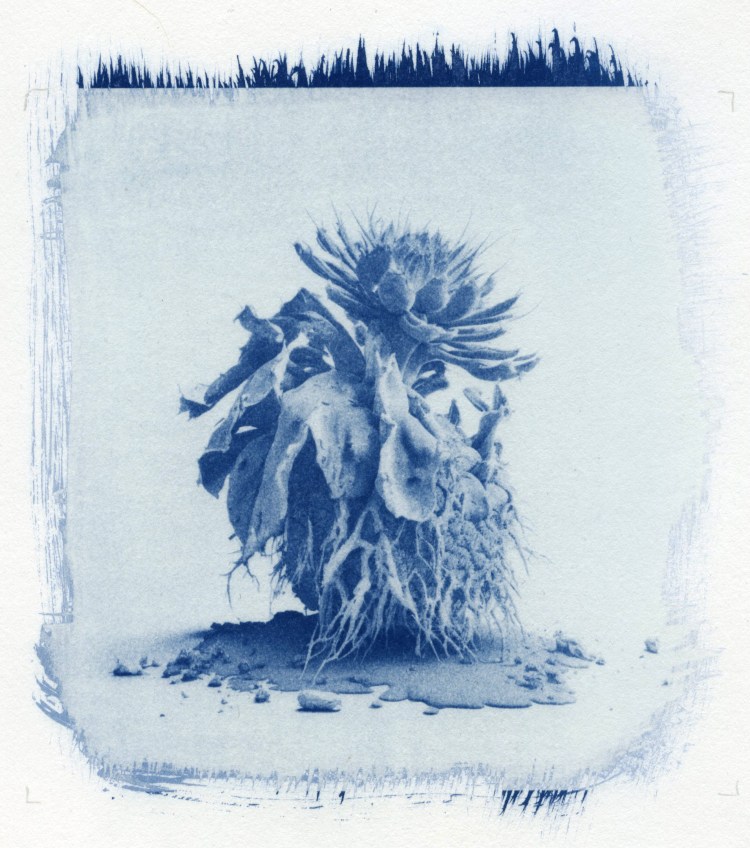
What is Real?
Photographers are facing an existential crisis thanks to artificial intelligence and its ability to create extremely convincing amalgamations of camera-made photographs. As a classically trained photographer, I find myself captivated while simultaneously terrified at what the future holds for the medium. Will people be able to trust a photograph again? More important though is the question, should we have ever trusted photographs to begin with? A photograph is of course a representation of the real world, one convincing enough to be taken as fact from the first day the process was introduced.
Now enter artificial intelligence, a technology that has rapidly advanced after being introduced to the general public last year. A tool that is very skilled at creating convincing imitations of camera-made photographs, and that many photographers are speaking out against like the painters of the 19th century. Drawing more parallels between the introduction of photography and artificial intelligence we see photographers lashing out at images AI creates and making grandiose statements about it only being a machine as this example shows. Saying AI-created work isn’t art and that humans using it aren’t artists echoes the attitude painters had about camera operators over a century ago, Charles Baudelaire famously denounced photography as “the mortal enemy of art.” expressing the commonly shared attitude of his peers. Hyperbole aside, it’s inevitable that artificial intelligence creations will be considered works of art if history is any judge, but what they will be used to create is still up in the air. Most artists working with artificial intelligence are following one of two paths, creating beautiful and acceptably photographic-looking works meant to consume, or using the tool to comment on popular culture and consumerism, just as photography has been doing for the past century. Will artificial intelligence be trapped in this cycle too, one of making images that are convincingly realistic representations of the real world, or will it be able to forge a distinct path?

Can I ever trust photographs again?
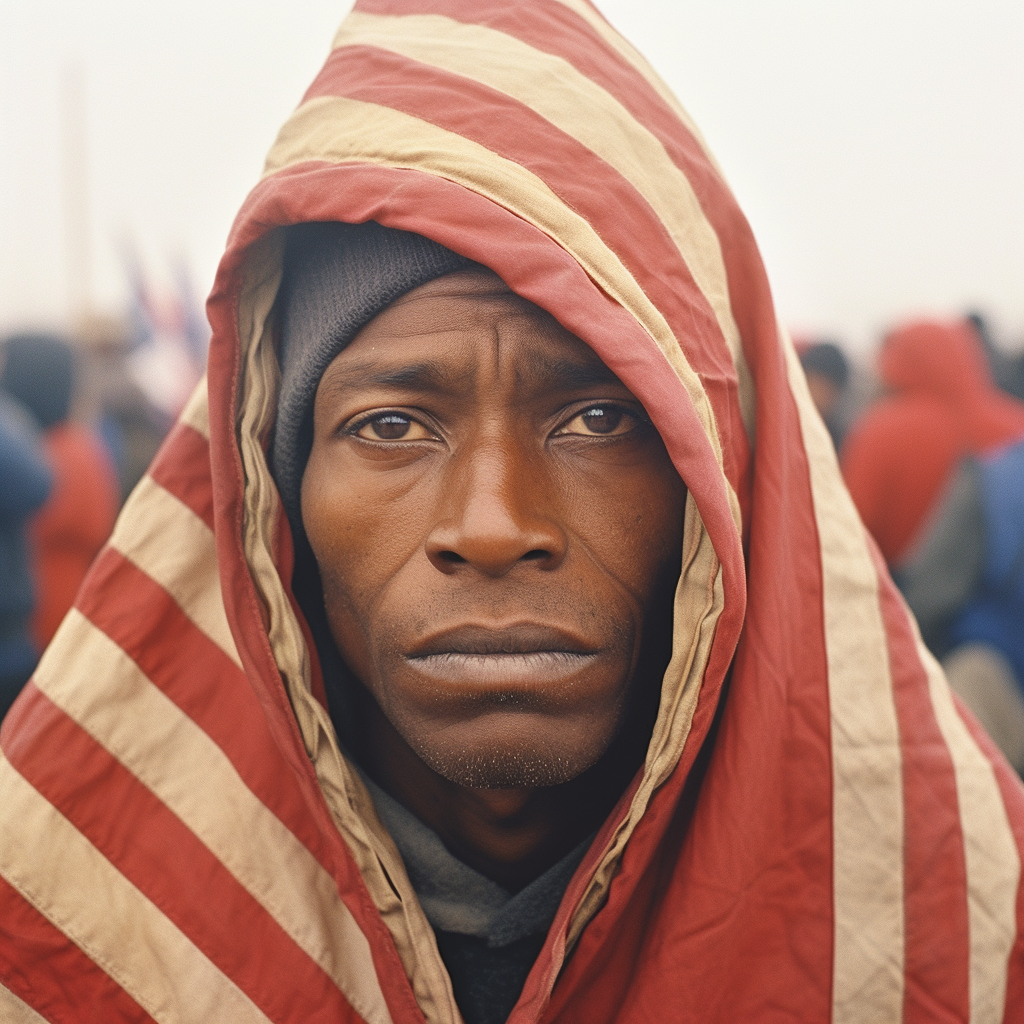
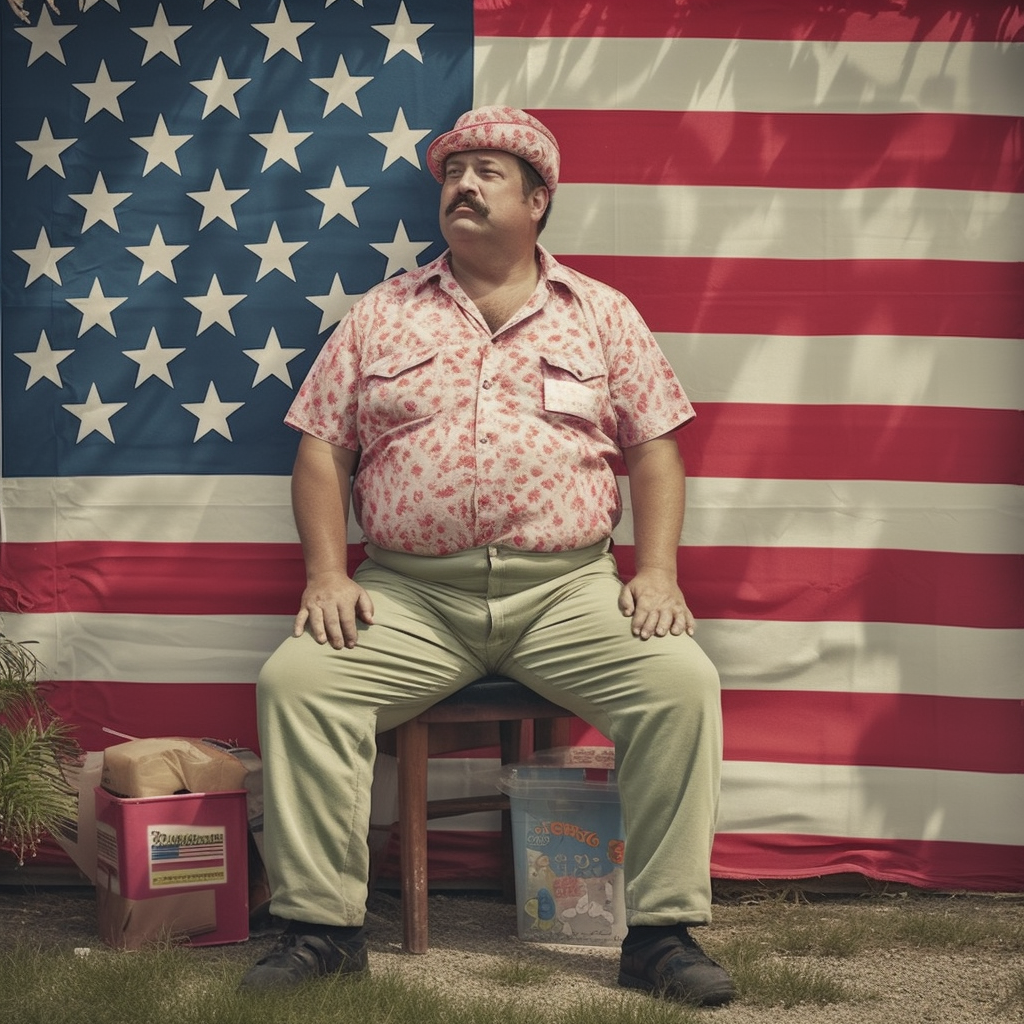
Language is a key element of all artificial intelligence systems and many artists are exploring the ramifications of how these models interpret words. Jake Elwes created an interesting work using both image generation and language models to have a conversation of sorts with the work A.I. Interprets A.I. Interpreting ‘Against Interpretation’ (Sontag 1966) In the work, Elwes is looking to the past while hinting at our future, one where machines are not only creating works of art, but critiquing them as well, and also a future where machines converse with each other without out our assistance. The work is fascinating but also terrifying, the way AI interprets human language is not as linear as one might assume. In my own explorations with the project Typical American I too am discovering the relationship between language and images to be perplexing, and at times downright illogical. This raises many questions and concerns that I am continuing to research in my work, namely, how will our use of language evolve as a result of artificial intelligence? The assumption was, and maybe for some still is, that the technology will evolve to understand the way we communicate, but I doubt this will be the case just based on the way data and algorithms work. Converting language to math changes everything as this study published in Scientific Reports shows. The study claims that “AI has the potential to help people communicate more quickly and improve interpersonal perceptions in everyday conversation, but our findings caution that these benefits are coupled with alterations to the emotional aspects of our language, and we do not know the effects that such changes could have on communication patterns over time.” So in essence, as we use artificial intelligence more and more, our language will evolve and words that previously had a widely understood emotional impact may transform or vanish from our lexicon.
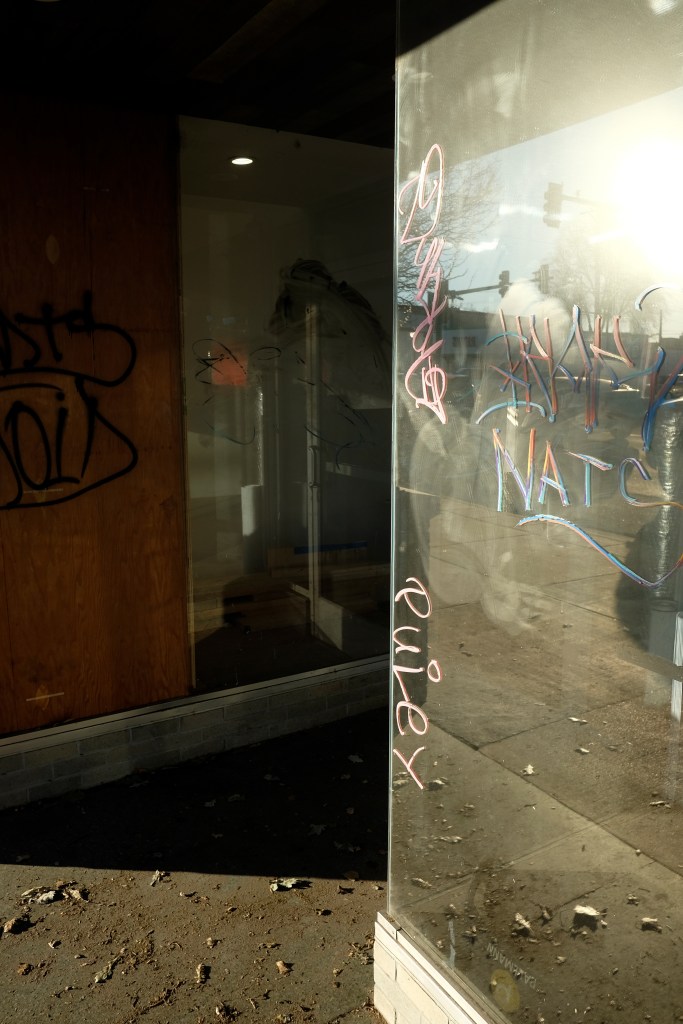
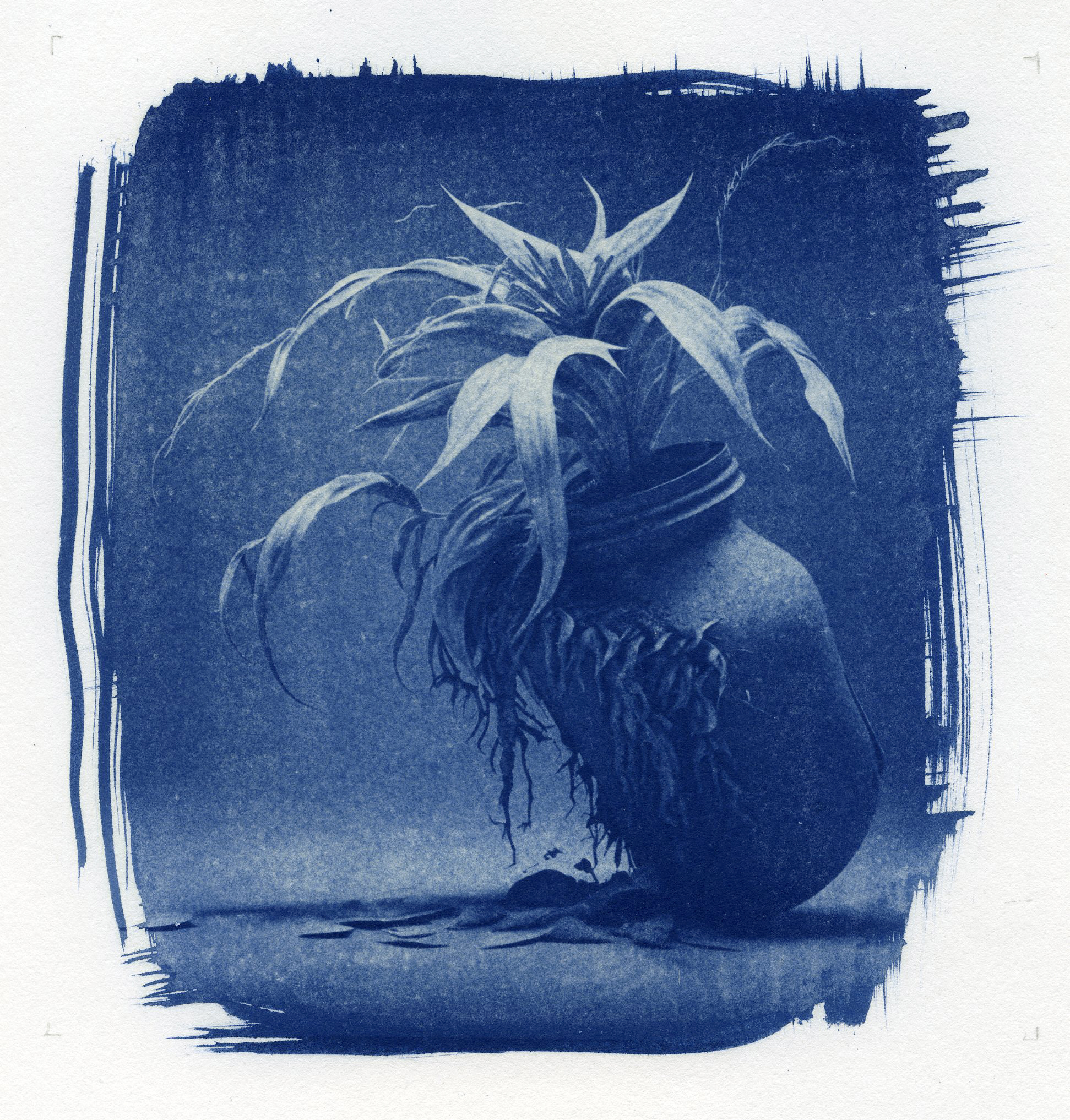
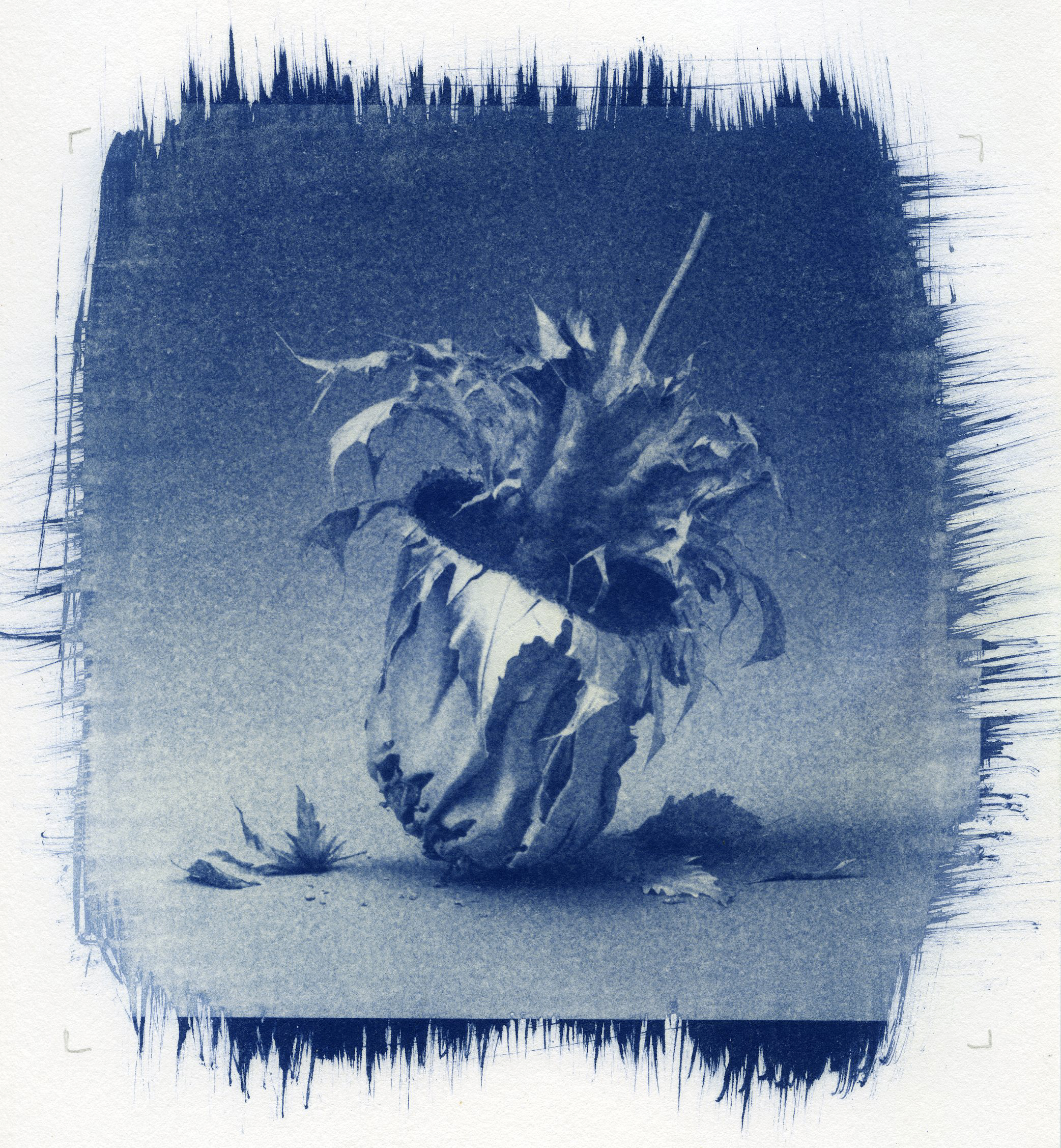
This photograph is real, I took it in the world with a camera, but how can I make you trust that in the age of Artificial Intelligence?
The even larger issue for photographers in the short-term isn’t language it is simply trust, did a human actually take a photograph in the real world and can the viewer believe what they see in it? Although we can argue this question was an issue from the beginning, it has become easier to create convincing ‘fakes’ without needing any formal training thanks to artificial intelligence. Before digital photography was the standard we had our negatives and transparencies to prove authenticity and provenance, and of course a small faction of photographers still use analog methods in part because of this. Most photographers use digital, however, so authenticity and provenance have been on shaky ground for the past two decades. We have depended on EXIF data that the camera places on files to prove authenticity, but should we be? After all this data can be altered using hacks to create convincing ‘fakes’, and of course if you are creating photographic composites you end up leaving that data behind as you copy and paste elements into your canvas. We have been depending on the trust we earned during the analog era by and large as digital photographers when claiming a photograph is authentic. Artificial intelligence is making that system obsolete, photographers making digital work need a way to prove authenticity and provenance so we can trust images taken in the real world to be true, or as true as a photograph ever has been. The Coalition for Content Provenance and Authenticity (C2PA) looks to be the solution to this dilemma for all digital content creators, at least for the immediate future, it is an open-source initiative to create a digital trust protocol for all forms of digital content that were human created. Leica is introducing a camera that incorporates the protocol in the near future hinting at the next wave of technological advancement for digital cameras and most likely a new economic barrier to be considered ‘trustworthy’ as a photographer until the technology becomes more common and widespread. However, we are nearing or possibly have crossed a technology threshold that the average citizen may not be able to fully comprehend, bringing me back to the issue of trust. We are at a crossroads now, we can fully embrace all images as ‘real’ and trust what we see as an alarmingly large swath of the population does, or we can begin real discussions of the need for visual literacy along with basic literacy and math skills from a young age. Education will be the key if we as a society hope to have trust in anything outside of our own perception of reality in the future when presented with images that look like convincingly real representations of the world.
Artificial intelligence is shaking up the photography industry, forcing us to consider our use of language more carefully, and raising clear issues of authenticity and provenance of the work we create as we wonder if we will ever be able to trust what we see again.


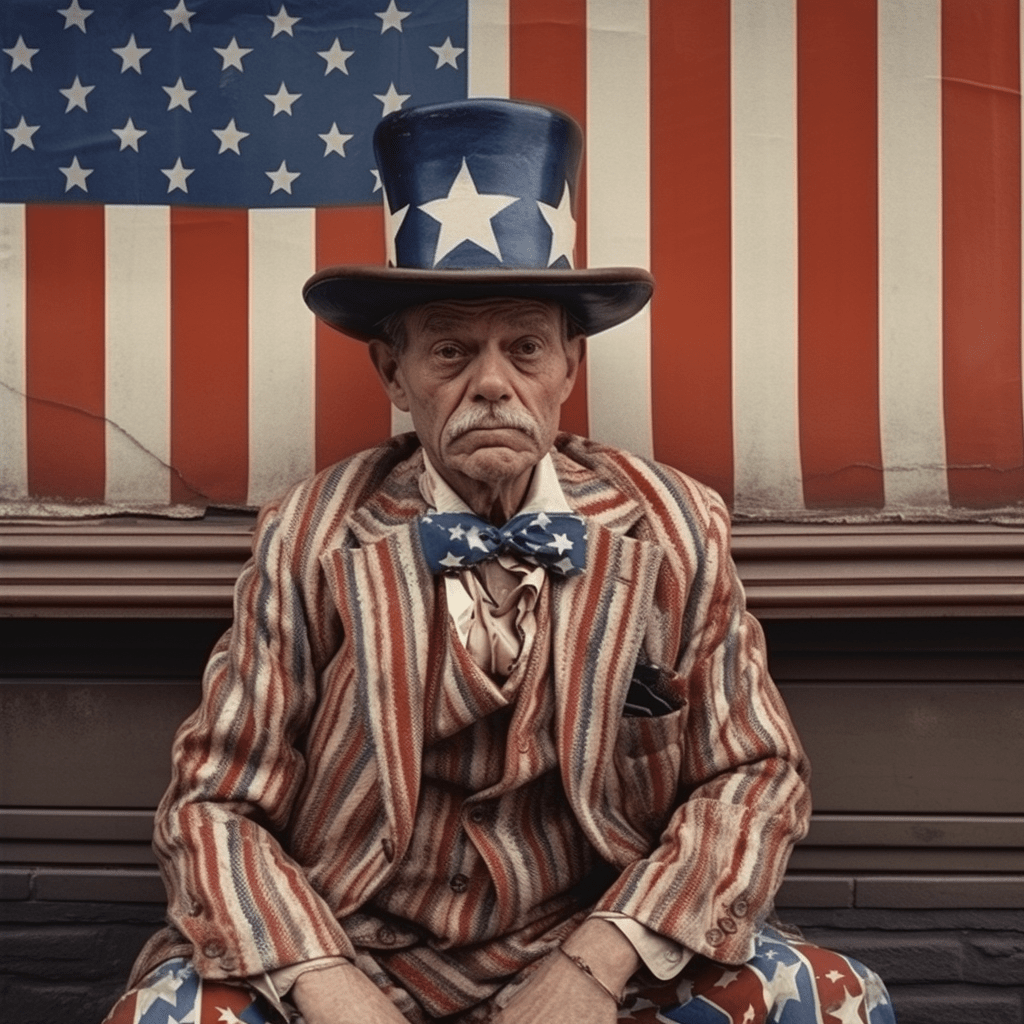
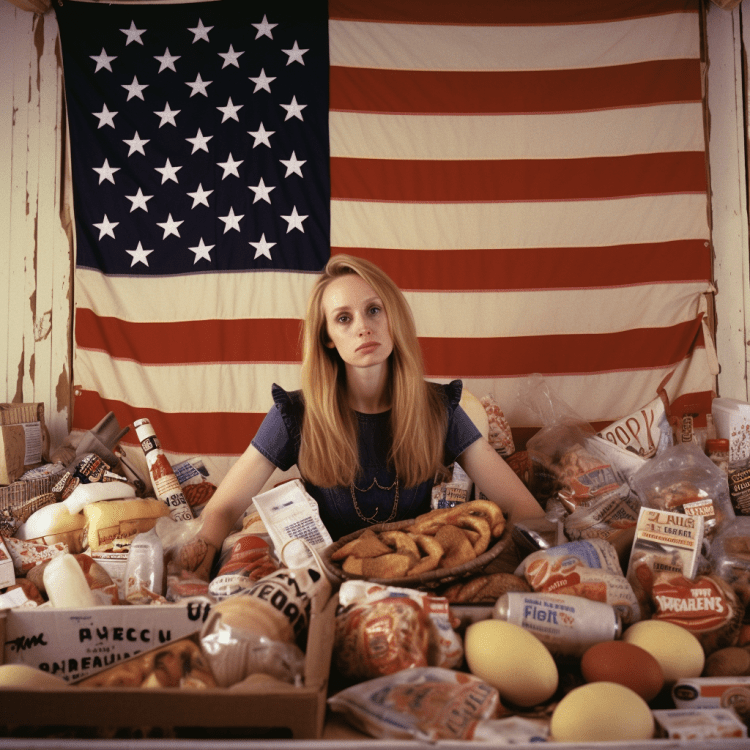
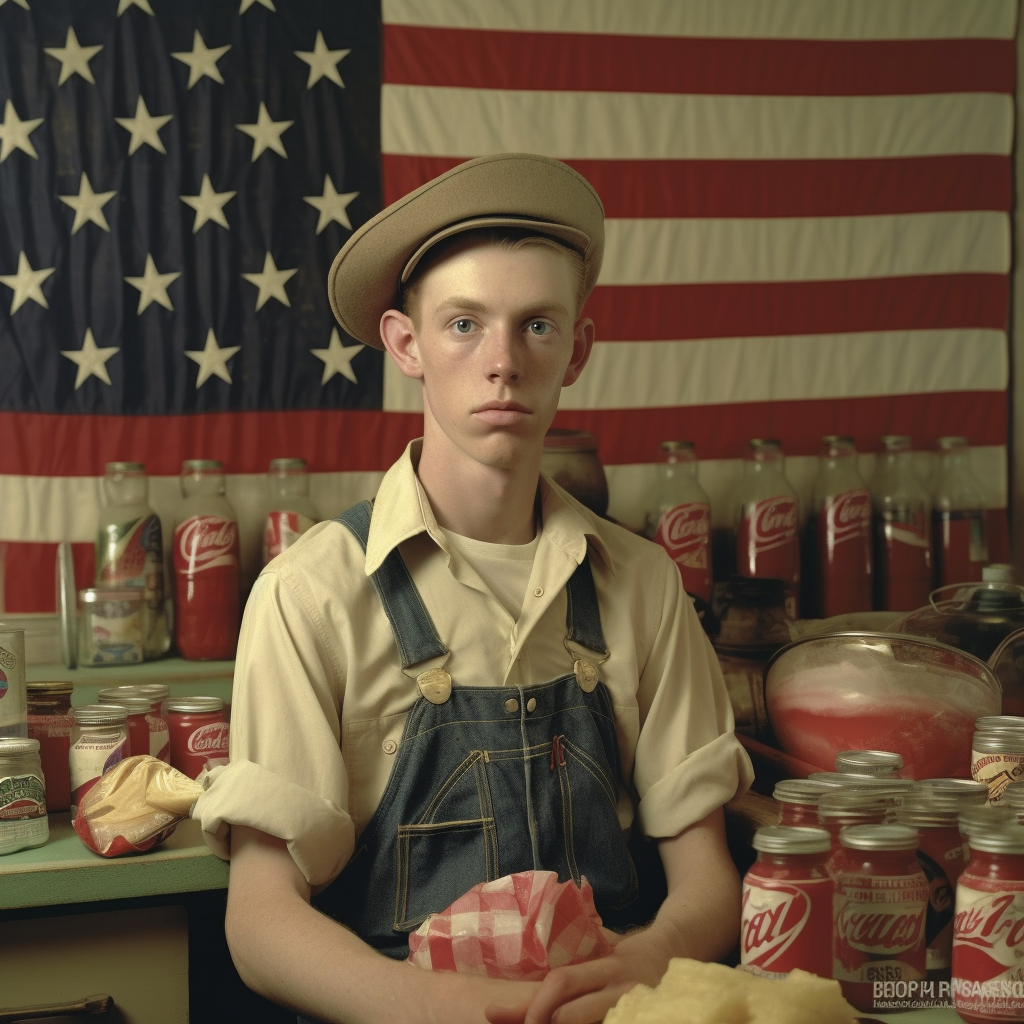

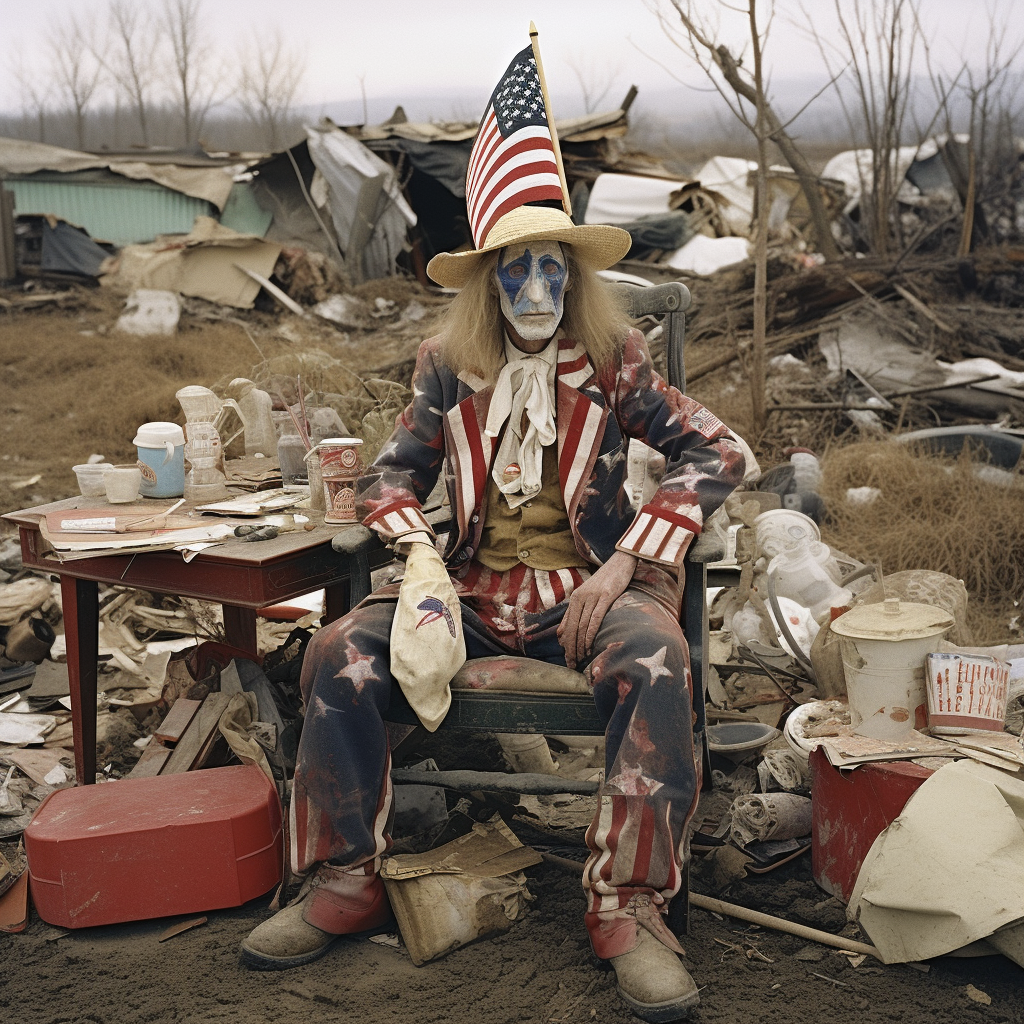

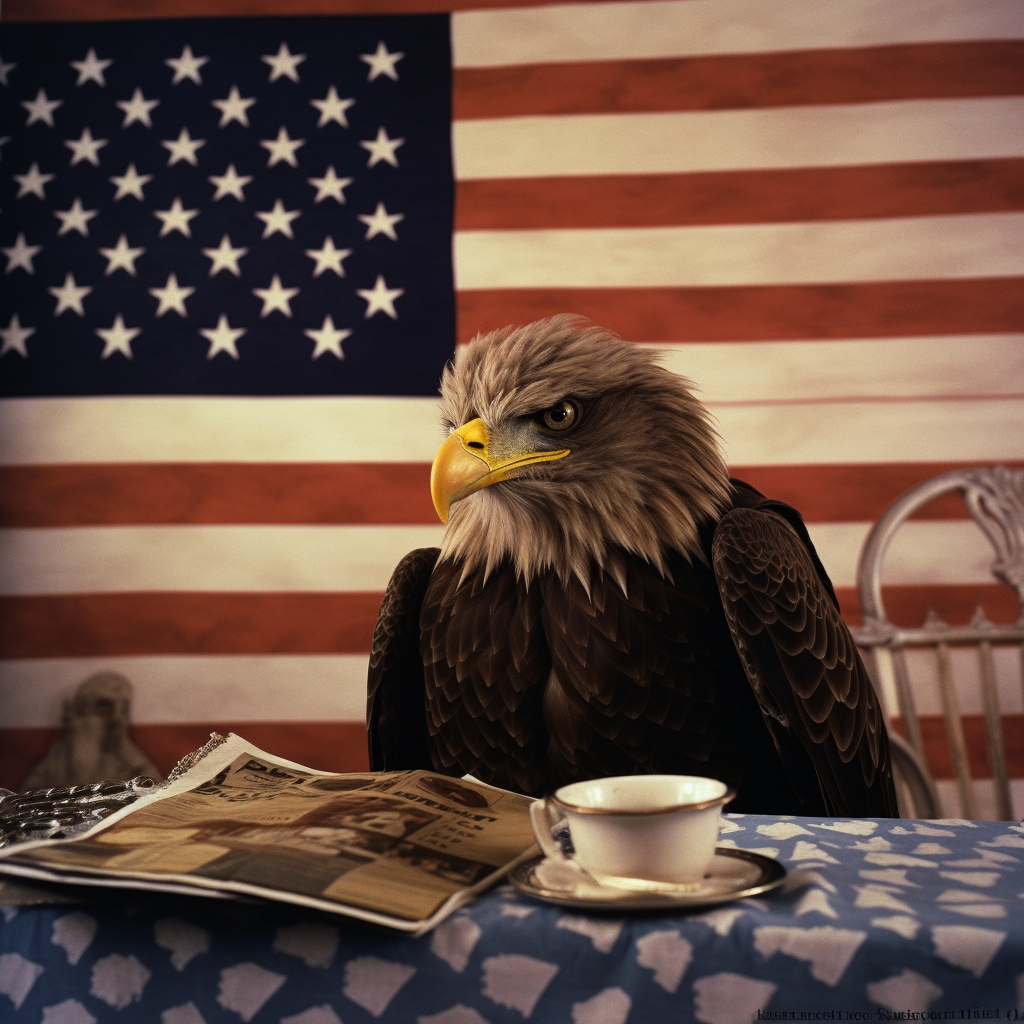

 Conceptual Art by Todd Dobbs
You must be logged in to post a comment.